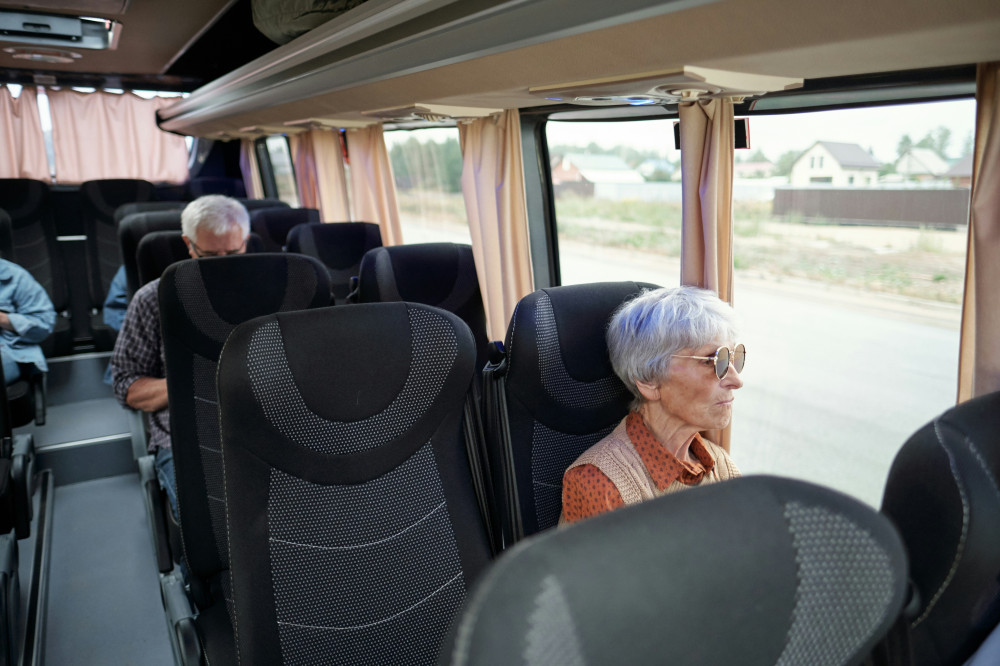
Good vibes on the bus boost both comfort and safety


Good vibes on the bus boost both comfort and safety
A bus ride can be anything from a pleasant shared experience to a stressful commute — and often, the difference comes down to the atmosphere on board. When passengers and drivers treat each other with respect and good humor, it sets a positive tone for everyone. That friendly energy doesn’t just make the ride more enjoyable; it can also make it safer. A good vibe on the bus is about more than politeness — it’s about trust, cooperation, and awareness.
A calm atmosphere helps drivers stay focused
For bus drivers, concentration is everything. They have to watch traffic, manage schedules, assist passengers, and stay alert to changing conditions — all at once. Noise, arguments, or tension inside the bus can easily become distractions. On the other hand, a calm and positive environment helps drivers maintain focus and respond quickly if something unexpected happens.
Small gestures make a big difference: keeping phone calls quiet, avoiding blocking the aisle, and being patient when others board or exit. These simple acts create a space where everyone feels comfortable — and where the driver can do their job safely.
The connection between passengers and drivers
A bus is a shared space where many people come together for a short time. The way passengers and drivers interact can shape the entire experience. A friendly “good morning” or a quick “thank you” when stepping off might seem minor, but it sets a tone of mutual respect.
Many drivers say they can feel the difference when passengers are courteous and cooperative. It makes their workday smoother and allows them to provide better service. It’s not about being overly social — just about showing basic kindness and understanding.
Læs også:




Preventing conflicts through positive energy
Most conflicts on buses start with small frustrations — over noise, seating, or delays. But a positive atmosphere can stop these issues from escalating. When passengers stay calm, help each other, and communicate respectfully, it’s easier to find solutions before tensions rise.
Transit agencies across the U.S. are increasingly aware of this. Some run campaigns promoting courtesy on public transportation, while others train drivers in conflict management or improve onboard communication systems. When everyone feels welcome and respected, stress levels drop — and so does the risk of accidents or confrontations.
Clean, comfortable surroundings matter
The physical environment also affects the mood. A clean bus, comfortable temperature, and good lighting make it easier for passengers to relax. Some drivers play soft background music, while others prefer quiet. The key is creating a space that feels safe and pleasant for as many people as possible.
Cleanliness and order send a message that the space is cared for — and that passengers are expected to care for it too. That shared sense of responsibility helps maintain a respectful atmosphere.
Comfort builds safety
When passengers feel at ease, they behave more predictably. They stay seated while the bus is moving, hold on when standing, and react calmly if something unexpected happens. That makes it easier for the driver to operate safely and avoid sudden maneuvers.
Comfort also builds trust. When passengers sense that the driver is in control and that the environment is friendly, tension decreases. The result is a smoother, safer ride for everyone.
A shared responsibility
Creating good vibes on the bus isn’t just the driver’s job — it’s a shared effort. Every passenger contributes through their behavior. A smile, a kind word, or simply showing patience can make the ride better for all.
When the atmosphere is positive, the bus becomes more than just a way to get from point A to point B. It becomes a small community on wheels — where comfort and safety travel side by side.
Læs også: