Fly Calmly: How to Manage Anxiety and Fear of Flying

Fly Calmly: How to Manage Anxiety and Fear of Flying
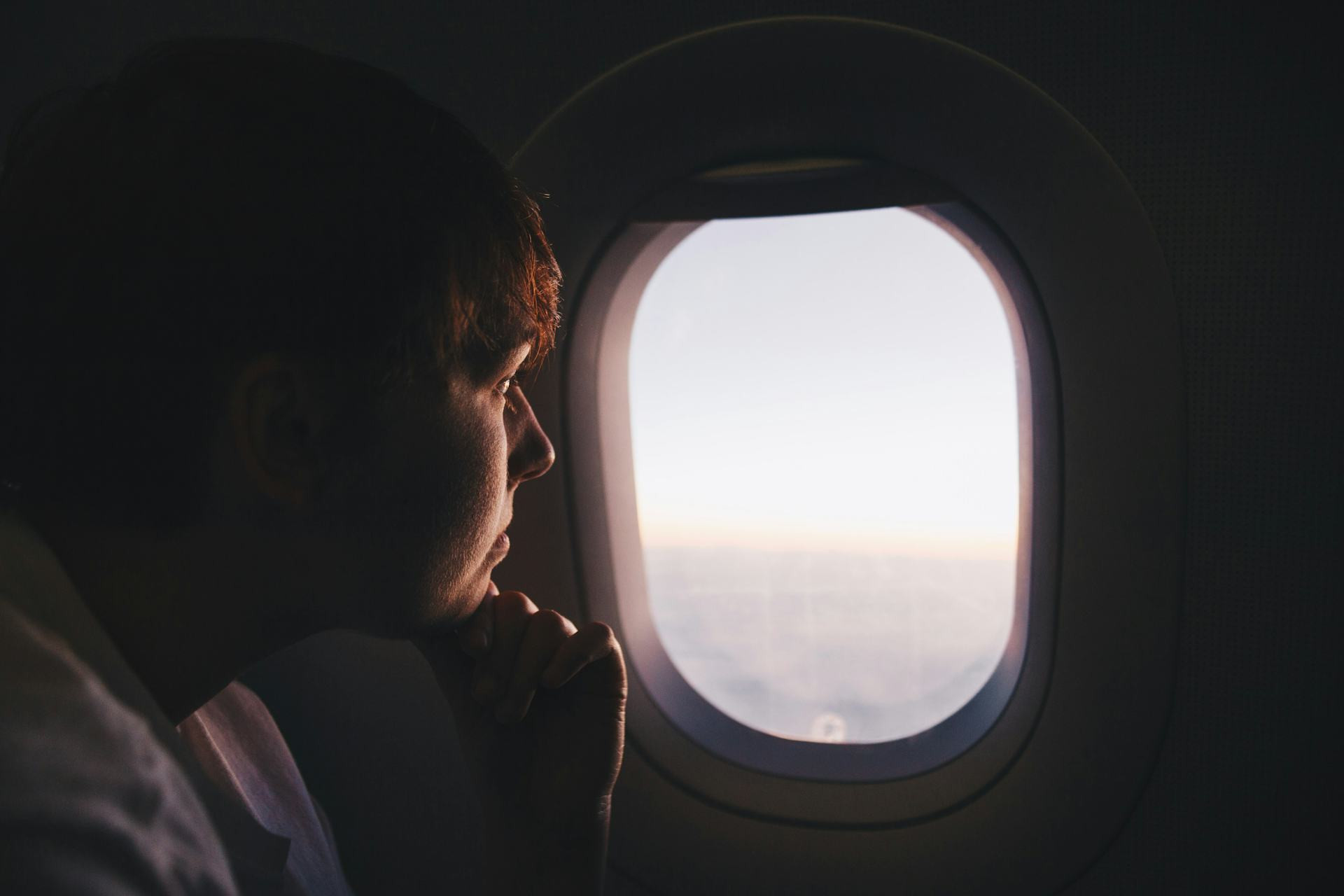
For many people, flying means excitement, new destinations, and adventure. But for others, the thought of boarding a plane brings unease, tension, or even panic. Fear of flying is more common than you might think, and it can range from mild nervousness to intense anxiety. The good news is that there are effective ways to manage it so you can travel with greater comfort and confidence. Here’s how to take back control and make your next flight a calmer experience.
What Happens in Your Body When Anxiety Strikes
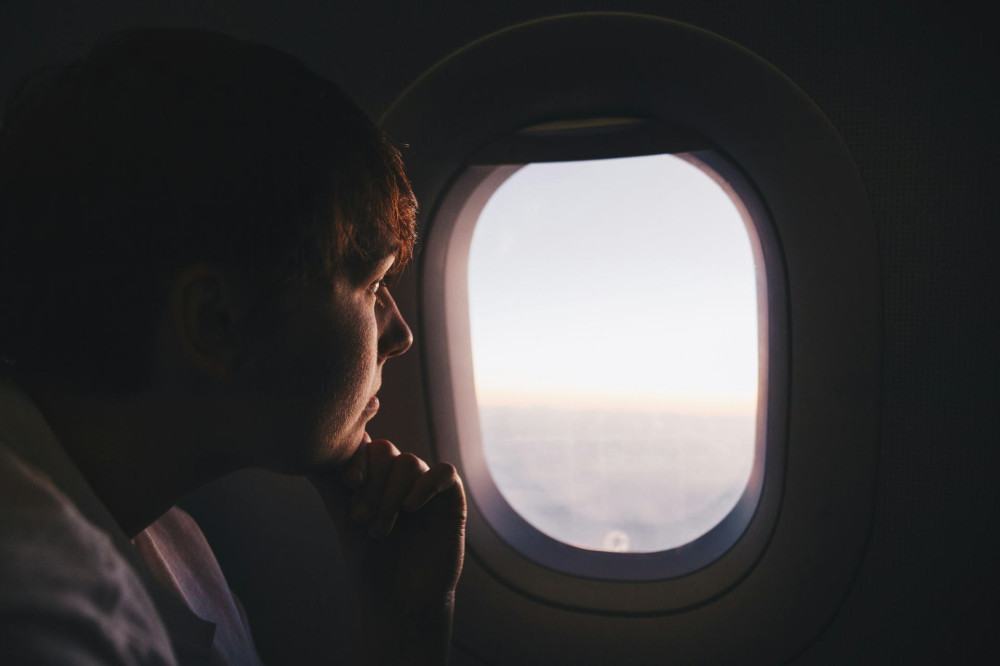
Fear of flying isn’t always about the plane itself. Often, it’s about feeling trapped, losing control, or being unable to “escape.” When anxiety kicks in, your body reacts with physical symptoms: a racing heart, sweaty palms, shallow breathing, or dizziness. This is your body’s natural fight-or-flight response — a survival mechanism that prepares you to face danger. On a plane, however, there’s nowhere to run, which can make the fear feel overwhelming.
Understanding what’s happening is the first step. When you realize that these sensations are a normal biological reaction — not a sign of real danger — it becomes easier to manage them.
Preparing Before You Fly
A calm flight begins long before you take your seat. The more prepared you are, the less room anxiety has to grow.
- Learn about flying. Many fears stem from not knowing what’s normal. Turbulence, engine sounds, and changes in altitude are all part of a safe flight. Understanding what’s happening can make these moments less intimidating.
- Choose the right time to travel. If you know you’re more relaxed in the morning, book an early flight. Fatigue, hunger, and stress can all make anxiety worse.
- Rest and eat well. A well-rested, nourished body handles stress more effectively.
- Let the crew know. Flight attendants are trained to assist nervous passengers. A simple conversation before takeoff can make you feel supported and understood.
In the Air: Techniques to Stay Calm
Once you’re on board, focus on calming both your body and mind. Try these simple techniques:
- Breathe deeply. Inhale through your nose for four seconds, hold for two, and exhale slowly through your mouth for six. Repeat several times. This helps slow your heart rate and ease tension.
- Distract yourself. Watch a movie, listen to music, read, or play a game on your phone. Keeping your mind occupied leaves less space for anxious thoughts.
- Visualize calm. Picture a peaceful place — a quiet beach, a forest, or your own living room. Visualization can help shift your focus away from fear.
- Talk to someone. A friendly chat with your seatmate or a flight attendant can break the cycle of anxious thinking and bring a sense of normalcy.
If you feel your anxiety rising, remind yourself that it will pass. Anxiety peaks and then fades — even at 30,000 feet.
When Your Thoughts Spiral
Many people with flight anxiety struggle with “what if” thoughts: What if the engine fails? What if I panic and can’t get out? It’s important to challenge these thoughts with facts.
Air travel is one of the safest forms of transportation in the world. Pilots undergo rigorous training, and every aircraft is inspected thoroughly before takeoff. Reminding yourself of these facts can help counter irrational fears.
You can also practice accepting your thoughts instead of fighting them. Tell yourself, “I’m feeling anxious right now, and that’s okay.” This approach reduces pressure and allows the feeling to pass naturally.
Long-Term Strategies
If fear of flying limits your travel or causes significant distress, consider working on it over time.
- Take a fear-of-flying course. Many airlines and therapists in the U.S. offer programs that combine education about aviation with anxiety management techniques — sometimes even including a short practice flight.
- Talk to a therapist. Cognitive behavioral therapy (CBT) is highly effective for flight anxiety. It helps you identify and change the thought patterns that trigger fear.
- Practice gradual exposure. Start small: visit an airport, watch planes take off, or sit in a stationary aircraft if possible. Gradually increasing your exposure can help desensitize your fear.
Læs også:
Remember: You’re Not Alone
Fear of flying affects millions of travelers — from frequent fliers to those who rarely board a plane. It’s not a sign of weakness but a natural response to an unfamiliar situation. With knowledge, preparation, and the right coping tools, you can learn to fly calmly — and maybe even enjoy the journey.
Overcoming flight anxiety isn’t about eliminating fear completely; it’s about managing it so it no longer controls you. Every time you take a seat on a plane, you’re taking a step toward confidence and freedom.
Læs også: