Know Your Rights as an Air Passenger – Before You Fly


Know Your Rights as an Air Passenger – Before You Fly
Flight delays, cancellations, and lost luggage can quickly turn an exciting trip into a stressful experience. But as an air traveler in the United States, you have more rights than you might realize. Federal regulations protect you when things go wrong, and knowing them can help you get the assistance or compensation you deserve. Here’s what you should know before you head to the airport.
Your Basic Rights
In the U.S., air passenger rights are primarily governed by the U.S. Department of Transportation (DOT). These rules apply to flights operated by U.S. airlines and, in many cases, to international flights arriving in or departing from the United States.
The DOT’s regulations cover situations such as flight cancellations, long delays, denied boarding (overbooking), and tarmac delays. Airlines must also be transparent about fees, refunds, and baggage policies.
If Your Flight Is Canceled
If your flight is canceled, you are entitled to choose between:
- A full refund – even for nonrefundable tickets, if you decide not to travel.
- Rebooking – on the next available flight to your destination.
Airlines are not required by law to pay additional compensation for cancellations, but they must provide a refund if you choose not to accept the rebooking. Some airlines may offer travel credits or vouchers, but you are not obligated to accept them.
If Your Flight Is Delayed
Unlike in the European Union, U.S. law does not require airlines to compensate passengers for delays. However, if a delay is significant and you decide not to travel, you are entitled to a refund for the unused portion of your ticket.
If you are stuck on the tarmac, DOT rules require that:
- You must be allowed to deplane after three hours (for domestic flights) or four hours (for international flights), unless safety or security reasons prevent it.
- The airline must provide food, water, and access to restrooms after two hours of delay.
Many airlines also offer meal or hotel vouchers for long delays, but this is a matter of company policy, not federal law.
Læs også:



If You Are Denied Boarding
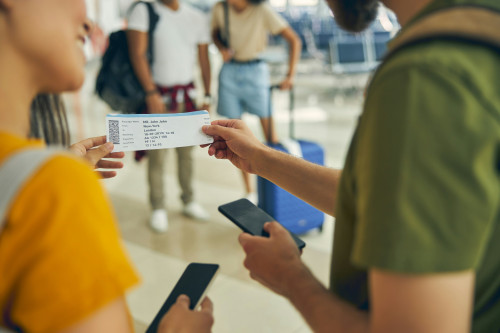
Overbooking is common practice in the airline industry. If you volunteer to give up your seat, the airline must negotiate compensation with you—often in the form of travel credits or cash.
If you are involuntarily denied boarding, you are entitled to immediate compensation, depending on how long you are delayed in reaching your destination:
- 0–1 hour delay: No compensation
- 1–2 hours (domestic) or 1–4 hours (international): 200% of your one-way fare (up to $775)
- Over 2 hours (domestic) or 4 hours (international): 400% of your one-way fare (up to $1,550)
You also have the right to keep your original ticket and be rebooked on the next available flight, or to receive a full refund if you choose not to travel.
If Your Baggage Is Lost or Damaged
Baggage issues are covered by both DOT rules and the Montreal Convention for international flights. If your checked bag is lost, delayed, or damaged, you can claim compensation of up to $3,800 on domestic flights and about $1,700 on most international flights.
To protect your claim:
- Report the problem immediately at the airport and file a written report.
- Keep receipts for any essential items you buy while waiting for your bag.
- Submit your claim to the airline as soon as possible—deadlines vary by carrier.
How to File a Complaint or Claim
Start by contacting the airline directly—most have online forms for refunds or compensation. Include your boarding pass, receipts, and any written communication about the issue.
If the airline does not respond or you believe your rights were violated, you can file a complaint with the U.S. Department of Transportation at transportation.gov/airconsumer. The DOT investigates complaints and can take enforcement action against airlines that fail to comply with regulations.
Smart Tips Before You Fly
- Save all travel documents – boarding passes, receipts, and emails.
- Check your travel insurance – it may cover expenses that airlines don’t.
- Download your airline’s app – for real-time updates and rebooking options.
- Be polite but assertive – knowing your rights helps you get better results.
- Read the fine print – airline contracts of carriage outline your specific entitlements.
Know Your Rights – and Travel Confidently
You can’t always prevent delays or cancellations, but you can make sure you’re treated fairly when they happen. Understanding your rights as an air passenger helps you stay calm, make informed decisions, and ensure you receive the assistance or refunds you’re entitled to. A well-informed traveler is always one step ahead—both on the ground and in the air.
Læs også: