Electric, Diesel, or Hybrid? How the Type of Train Shapes Your Travel Experience

Electric, Diesel, or Hybrid? How the Type of Train Shapes Your Travel Experience
When you settle into your seat on a train, you might not think about what’s powering it. But whether the train runs on electricity, diesel, or a hybrid system can make a big difference in comfort, environmental impact, and even how your journey feels. As the U.S. rail network modernizes and more routes move toward cleaner technologies, these differences are becoming more noticeable. Here’s how the type of train affects your travel experience—from noise and speed to sustainability and the future of rail travel.
Electric Trains: Smooth, Quiet, and Sustainable
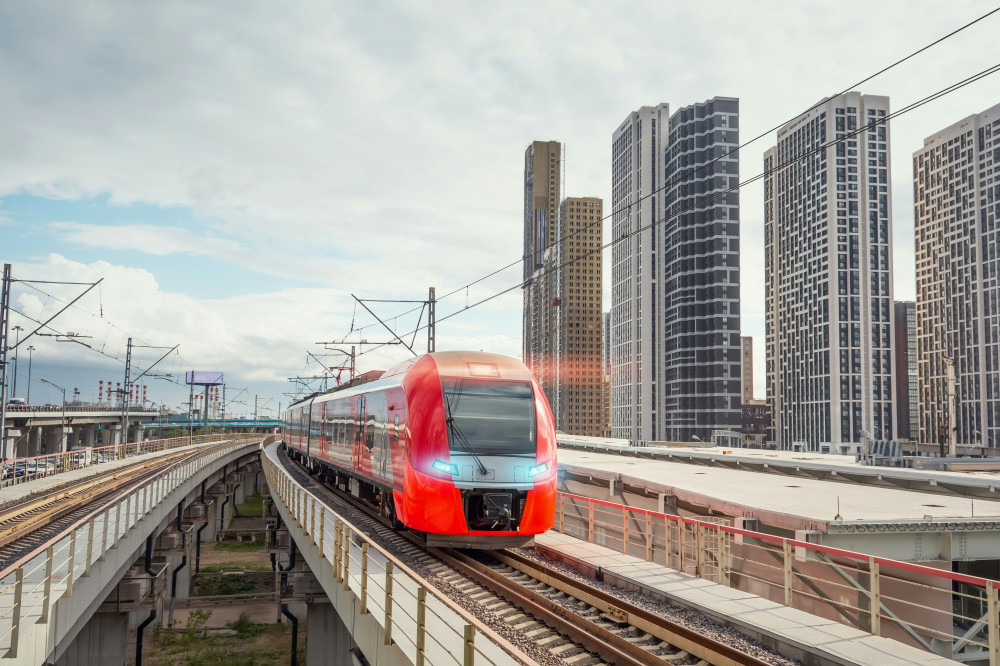
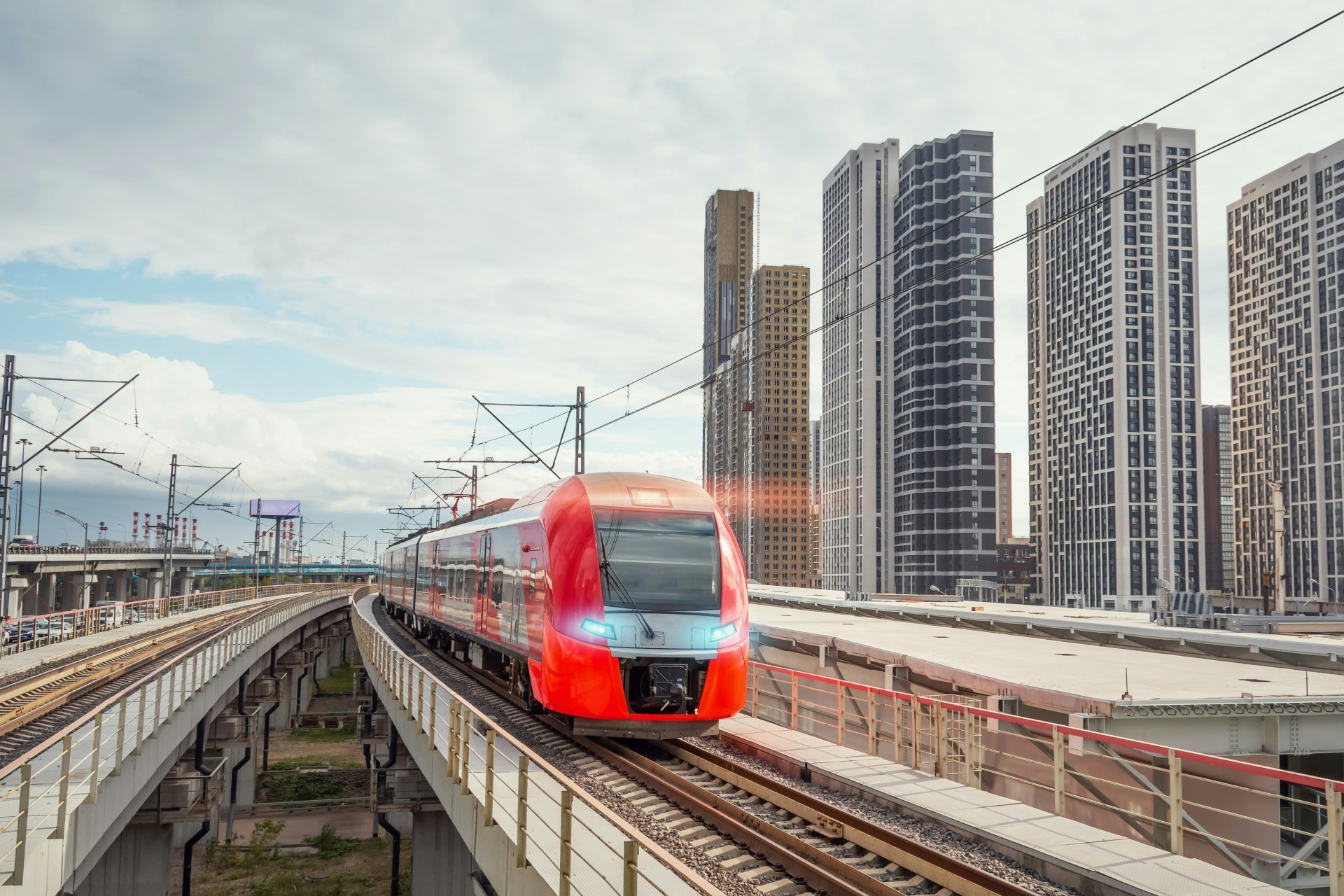
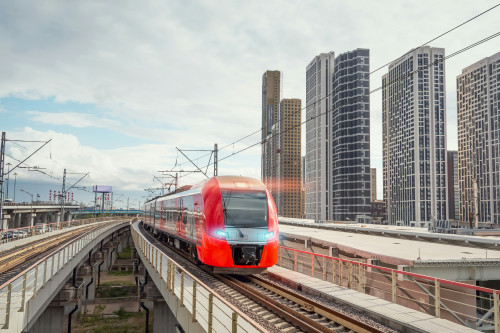
Electric trains are the gold standard in many parts of the world, and they’re becoming more common in the U.S. on busy corridors like the Northeast Corridor between Boston and Washington, D.C. Powered by overhead wires or third rails, they produce no direct emissions and offer a smoother, quieter ride.
You’ll notice the difference as soon as the train starts moving: acceleration is quick and seamless, and the cabin stays calm and quiet. Conversations are easier, and the ride feels more stable. For daily commuters, that comfort adds up over time.
Electric trains are also more energy-efficient and cheaper to maintain, which can lead to more frequent service and fewer delays. The main drawback? They require electrified tracks, and much of the U.S. rail network—especially in rural areas—still relies on diesel.
Diesel Trains: Range and Flexibility, but at a Cost
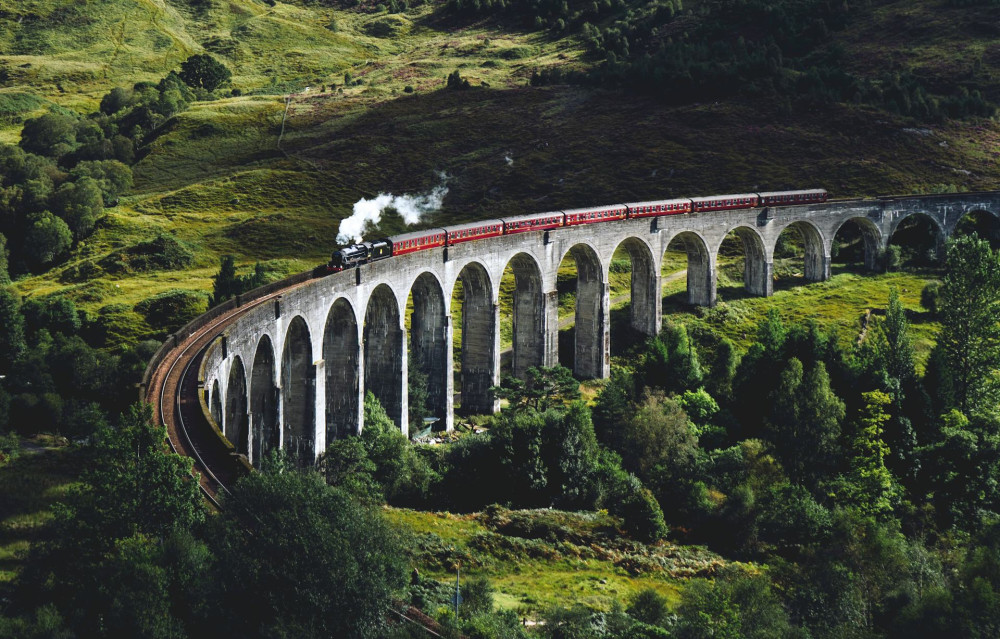
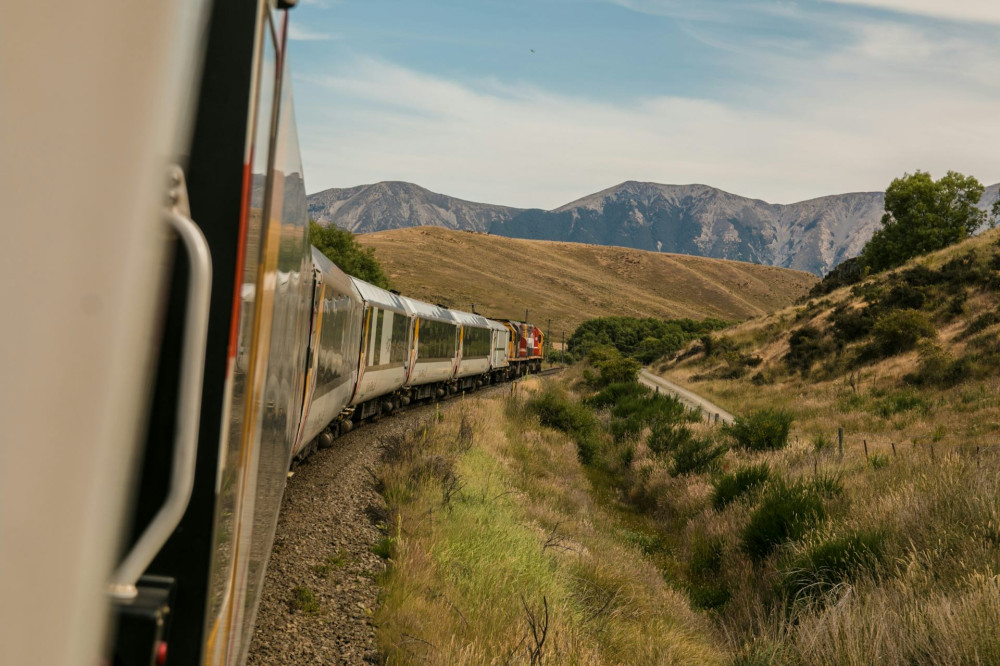
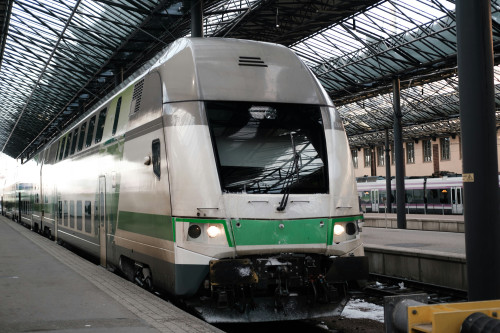
Diesel trains have long been the workhorses of American railroads. They can run anywhere, regardless of whether the tracks are electrified, making them essential for long-distance routes like Amtrak’s cross-country services and regional lines in less populated areas.
However, diesel engines are louder, produce more vibration, and emit greenhouse gases and particulates. Passengers may notice a low rumble or vibration, especially when the train idles or accelerates. While modern diesel locomotives are cleaner and more efficient than older models, they still lag behind electric trains in terms of environmental performance.
Some operators are experimenting with renewable diesel or biodiesel blends to reduce emissions, but the long-term goal remains to move away from fossil fuels entirely.
Hybrid Trains: Bridging the Gap
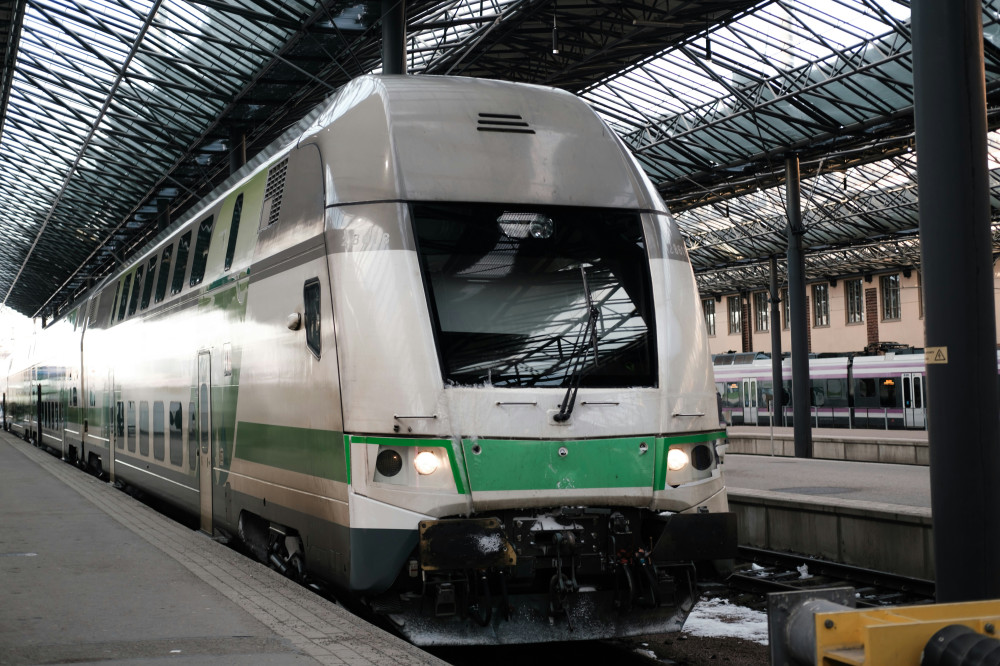
Hybrid trains combine the strengths of both systems. They can run on electricity where infrastructure exists and switch to diesel or battery power on non-electrified sections. This flexibility makes them ideal for regions where electrification is partial or still in progress.
For passengers, hybrid trains offer a more consistent experience—quiet and smooth on electric power, with only brief engine noise when switching to diesel. They also use less fuel overall and can cut carbon emissions significantly compared to traditional diesel trains.
In the U.S., hybrid and battery-electric trains are beginning to appear in pilot programs, particularly in California and the Pacific Northwest, where states are investing in cleaner transportation technologies.
Læs også:
Comfort, Climate, and the Future of Rail Travel
Choosing the train over driving or flying is already a more sustainable travel choice. But the type of train you ride still matters—for both your comfort and the planet.
- Electric trains offer the quietest, fastest, and most eco-friendly ride.
- Diesel trains provide flexibility and long range but come with more noise and emissions.
- Hybrid trains strike a balance, combining comfort with lower environmental impact.
As more U.S. routes are electrified and new technologies emerge, electric and hybrid trains will likely become the norm. That means cleaner air, quieter journeys, and a rail system that better reflects the country’s push toward sustainability.
Looking Ahead
The next generation of trains may be powered entirely by batteries or hydrogen fuel cells, eliminating emissions even on non-electrified tracks. These technologies are advancing quickly, and several U.S. states are already testing them.
So the next time you board a train, take a moment to think about what’s driving it forward. Behind that smooth motion lies a wave of innovation that’s not just transforming how we travel—but also how we move toward a cleaner, more connected future.
Læs også: