From Steam Locomotive to High-Speed Train: The Evolution of Train Technology Over Time

From Steam Locomotive to High-Speed Train: The Evolution of Train Technology Over Time
For more than two centuries, trains have symbolized progress, movement, and technological innovation. From the first steam locomotives that chugged across early railways to today’s sleek high-speed trains racing at over 200 miles per hour, rail technology has undergone a remarkable transformation. This article takes you on a journey through time—from the age of steam to the magnetic levitation trains of the future.
The Dawn of the Steam Era
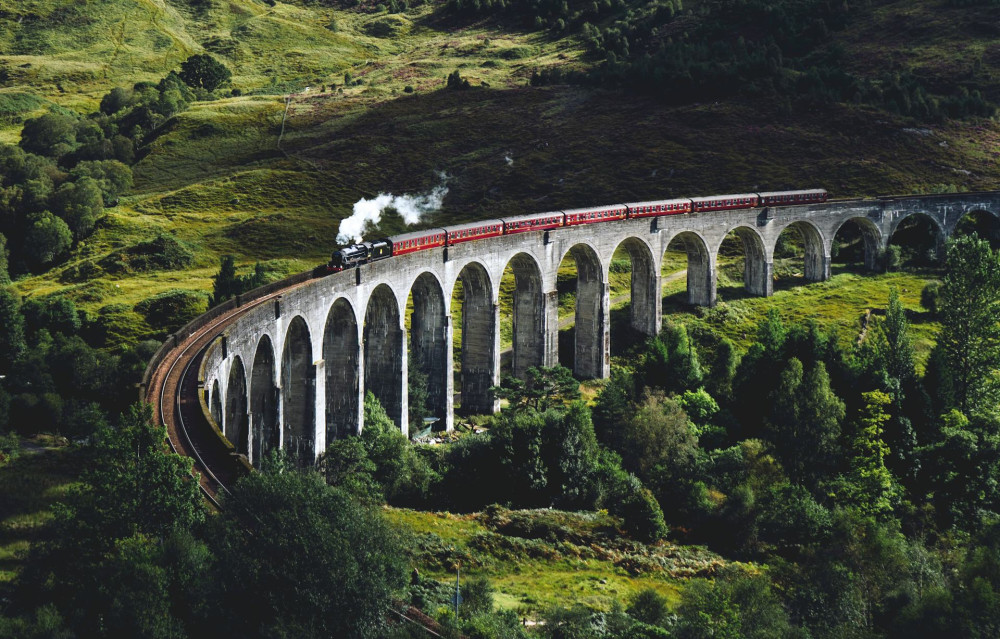
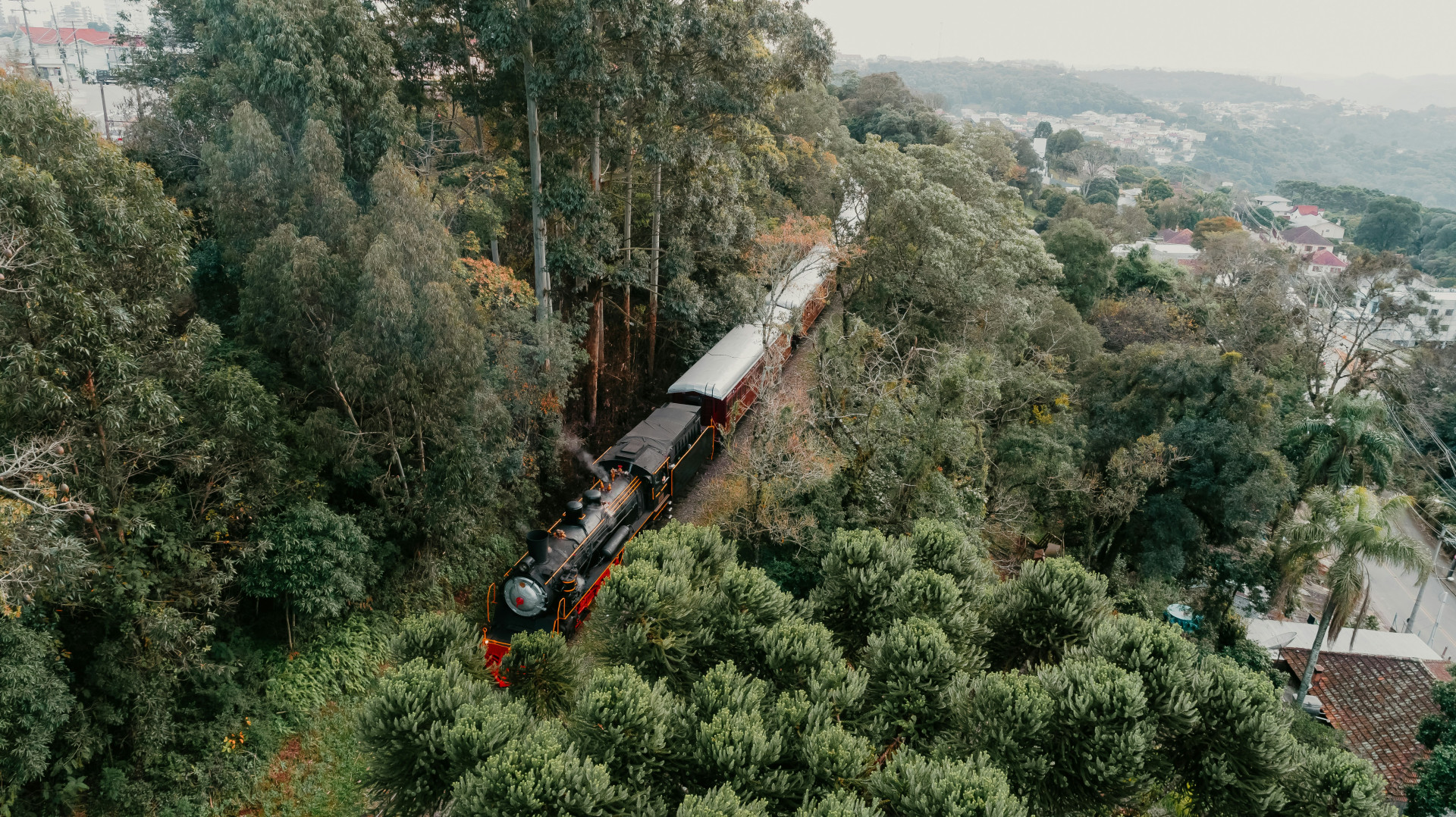
The story of the train begins in the early 19th century, during the Industrial Revolution, when the need for faster and more efficient transportation of goods and people became urgent. In 1825, the world’s first public railway opened between Stockton and Darlington in England, powered by George Stephenson’s Locomotion No. 1.
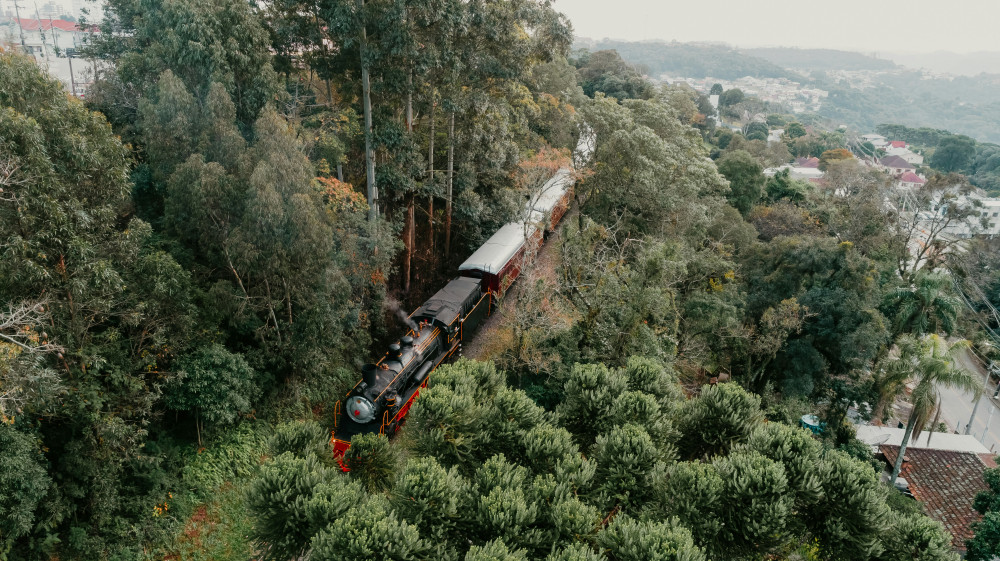
Steam engines were the technological marvels of their time. By converting coal and water into motion, they made it possible to move heavy loads over long distances. Within decades, railroads spread across Europe and North America, transforming economies and societies. In the United States, the completion of the Transcontinental Railroad in 1869 connected the East and West Coasts, fueling westward expansion, trade, and settlement. The steam locomotive became a symbol of American ingenuity and progress.
The Rise of Electric Power
By the late 19th century, electricity began to challenge steam as a cleaner and more efficient power source. The first electric trains were demonstrated in Berlin in 1879, and by the early 1900s, electric railways were appearing in major cities.
Electric trains offered several advantages: they were faster, quieter, and required less maintenance than steam engines. They could accelerate quickly, making them ideal for urban and suburban transit systems. In the U.S., electric streetcars and subways revolutionized city life—New York’s subway, which opened in 1904, became a model for urban mobility. As electrical infrastructure expanded, electrification became a key step in modernizing rail networks.
The Diesel Revolution
In the 1920s and 1930s, diesel locomotives emerged as a powerful alternative to steam. They were more fuel-efficient, required less upkeep, and could travel longer distances without refueling. For a vast country like the United States, where electrifying every mile of track was impractical, diesel power was a game-changer.
By the mid-20th century, diesel locomotives had largely replaced steam on American mainlines. Iconic trains like the Santa Fe Super Chief and the California Zephyr showcased the speed, comfort, and style of the diesel era. These trains connected cities across the continent and became cultural symbols of freedom and adventure.
Læs også:

The High-Speed Revolution
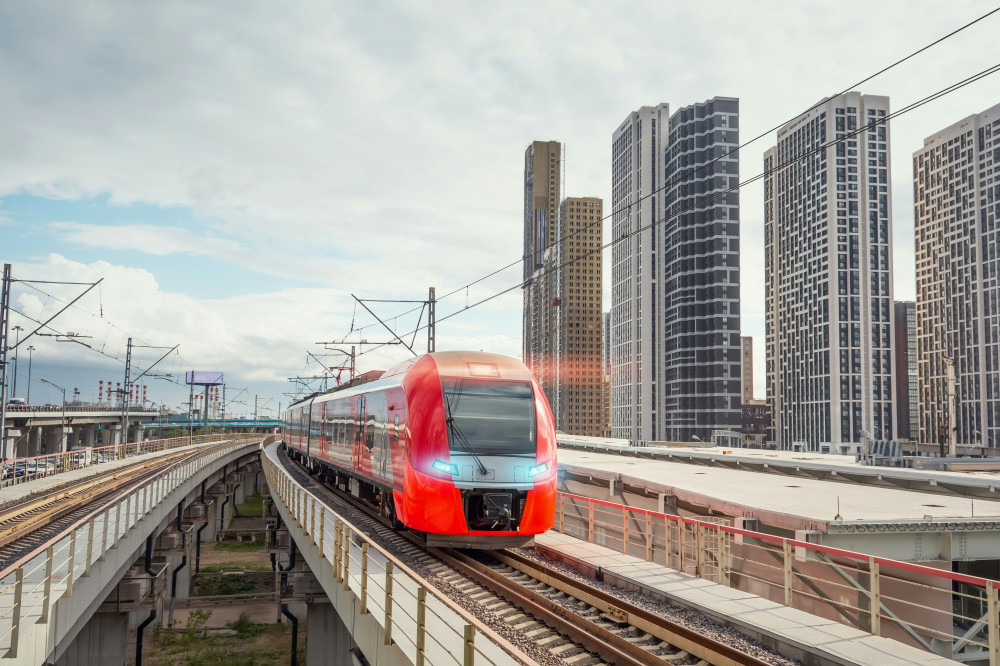
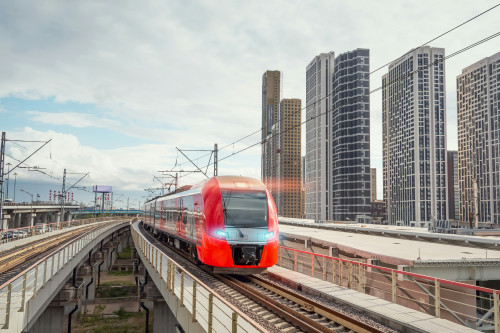
After World War II, the demand for faster intercity travel grew. Japan led the way with the launch of the Shinkansen in 1964—the world’s first high-speed train, capable of exceeding 125 mph. Its success inspired similar projects around the world. France followed with the TGV in the 1980s, and soon Germany, Spain, and China developed their own high-speed networks.
In the United States, high-speed rail has been slower to develop, but projects like Amtrak’s Acela Express—introduced in 2000 between Boston and Washington, D.C.—have shown the potential for faster, more efficient travel in the Northeast Corridor. New initiatives, such as California High-Speed Rail and Brightline West, aim to bring true high-speed service to more regions in the coming decades.
High-speed trains combine aerodynamic design, lightweight materials, and advanced signaling systems to achieve remarkable speeds while maintaining safety and comfort. They have also become a cornerstone of sustainable transportation, producing far fewer carbon emissions per passenger mile than cars or airplanes.
The Future: Magnetic Levitation and Green Innovation
The evolution of train technology is far from over. Around the world, engineers are developing new systems that promise even greater speed, efficiency, and environmental performance. Maglev (magnetic levitation) trains, which float above the tracks using magnetic fields, can reach speeds of over 370 mph. Japan and China are leading the way, and several U.S. proposals—such as a potential maglev line between Washington, D.C., and Baltimore—are under consideration.
At the same time, hydrogen-powered trains are emerging as a clean alternative for routes that are not electrified. These trains emit only water vapor and could play a key role in reducing the rail industry’s carbon footprint. Digital technologies are also transforming rail operations, with automated systems, predictive maintenance, and real-time data improving safety and efficiency.
Trains and the American Future
As the world faces the challenges of climate change and urban congestion, trains are once again being recognized as a vital part of a sustainable future. They offer a unique combination of speed, comfort, and environmental responsibility that few other modes of transport can match.
From the steam locomotives that powered America’s expansion to the futuristic maglev trains that may soon glide across the landscape, the story of rail technology is one of constant innovation and forward motion. The tracks laid by the past continue to guide us toward a faster, cleaner, and more connected future.
Læs også: