Safe Train Travel for Seniors: How to Plan Transfers and Breaks Without Stress

Safe Train Travel for Seniors: How to Plan Transfers and Breaks Without Stress
Train travel is one of the most comfortable and scenic ways to explore the United States. For seniors, it offers a relaxing alternative to driving or flying—no traffic, no airport security lines, and plenty of time to enjoy the view. Still, planning a trip with multiple transfers or long travel days can feel overwhelming. With a bit of preparation, you can make your journey smooth, safe, and stress-free. Here’s how to plan your train travel with confidence.
Start with a Realistic Itinerary
The key to a calm trip is planning ahead. Use Amtrak.com or the Amtrak app to check schedules and connections. When possible, choose routes with generous transfer times—having 20 or 30 minutes between trains is far better than rushing across a busy station.
Think about the time of day you prefer to travel. Mid-morning or early afternoon departures are often less crowded than early morning or evening trains. If your trip is long, consider breaking it up with an overnight stay in a city along the route. This gives you time to rest and enjoy a new place before continuing your journey.
Choose the Right Ticket and Seat
Amtrak offers senior discounts (typically 10% off for travelers aged 65 and older) on most routes. When booking, you can also select your seat in advance. A reserved seat ensures you won’t have to search for a spot once you board. If mobility is a concern, choose a seat close to the door, restroom, or café car.
For longer trips, consider upgrading to a roomette or bedroom in a sleeper car. These private spaces include meals and access to a lounge car, making the journey more comfortable and restful.
Make Transfers Easy
Changing trains can be the most stressful part of a trip, but a little preparation goes a long way. Before you travel, review your itinerary to see where you’ll transfer and how much time you have. Major stations like Chicago Union Station, Washington, D.C. Union Station, and Los Angeles Union Station have maps online that show platforms, restrooms, and waiting areas.
If you have extra time between trains, use it to stretch your legs, grab a snack, or find a quiet place to sit. Many stations have accessible seating areas and restrooms near the platforms. Keep a small bottle of water and a light snack in your bag so you don’t have to rush to find food during a short layover.
Pack Light and Smart
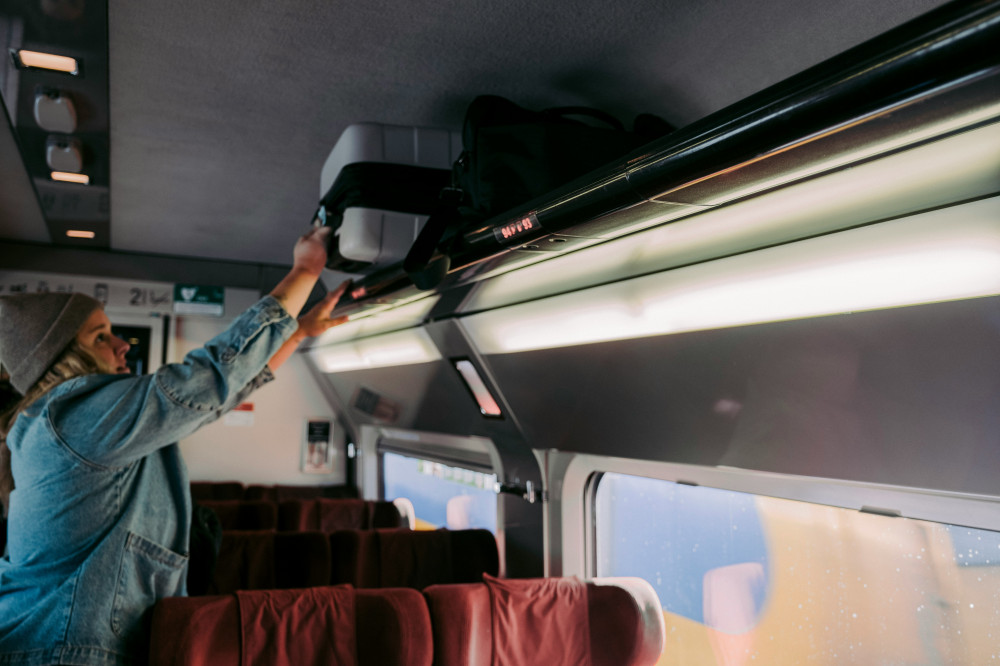
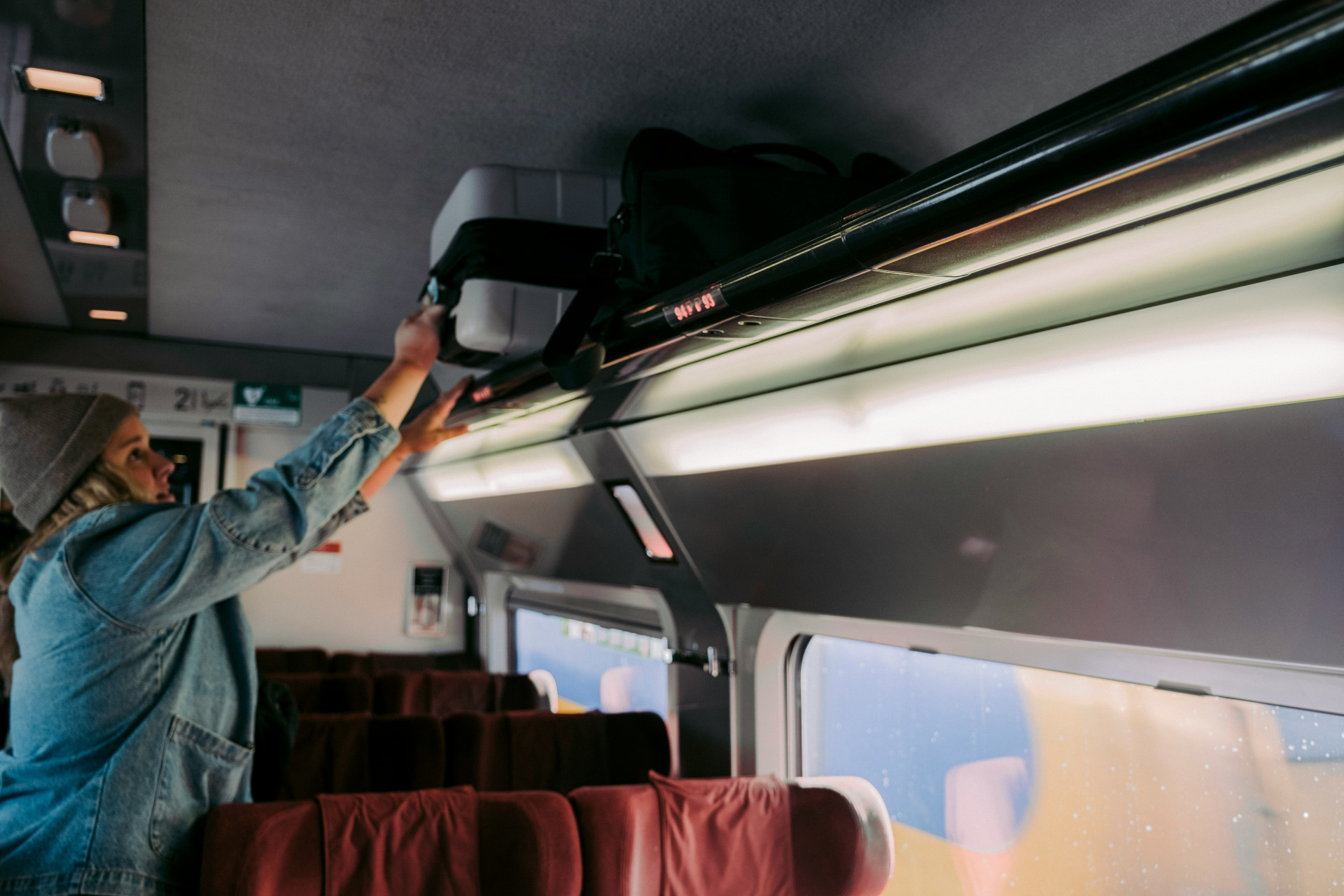
A lightweight suitcase with wheels and a sturdy handle makes it easier to move through stations. Try to limit yourself to one rolling bag and one smaller carry-on. It’s easier to keep track of fewer items, especially when boarding or transferring.
Pack essentials where you can reach them easily: your ticket, ID, medications, phone, and charger. If you wear hearing aids or glasses, bring extra batteries or a case. A small travel pillow or blanket can make long rides more comfortable.
Læs også:
Use Technology to Stay Informed
Even if you’re not a tech expert, a few digital tools can make your trip smoother. The Amtrak app provides real-time updates on delays, platform changes, and boarding information. You can also sign up for text alerts about your train’s status. If you prefer paper, print your itinerary and keep it handy.
Don’t hesitate to ask for help at the station. Amtrak staff are available to answer questions, and you can request assistance services in advance if you need help boarding, finding your seat, or transferring between trains.
Plan for Rest and Enjoyment
Train travel doesn’t have to be a race from point A to point B. Build in time for breaks and small adventures. Maybe you can stop for lunch in a city you’ve never visited or spend a night exploring a historic downtown before continuing your trip. These pauses make the journey more enjoyable and less tiring.
If you’re traveling with a friend or partner, plan your stops together—it’s a great way to share the experience and keep the trip relaxed.
Travel with Peace of Mind
The best part of train travel is that it allows you to move at your own pace. Trains are flexible, and if something doesn’t go as planned, there’s usually another departure soon after. With a thoughtful itinerary, a bit of extra time, and a calm mindset, you can enjoy the ride as much as the destination—without stress or hurry.
Læs også: