Food on Wheels: How to Plan Your Meals for a Road Trip

Food on Wheels: How to Plan Your Meals for a Road Trip
A road trip is all about freedom, adventure, and the open road—but keeping your energy up is just as important as choosing the right playlist. Food can make or break the experience. With a little planning, you can skip the greasy fast food stops and enjoy fresh, satisfying meals wherever your journey takes you. Here’s how to plan your road trip meals so you save time, money, and stress along the way.
Think Practical—But Keep It Fun
When it comes to road trip food, balance is key. You’ll want easy-to-eat snacks for the drive, but also real meals for when you stop to stretch your legs. Think in three categories:
- Food for the drive – snacks and finger foods that don’t require utensils.
- Food for breaks – sandwiches, wraps, or salads you can enjoy at a rest area or scenic overlook.
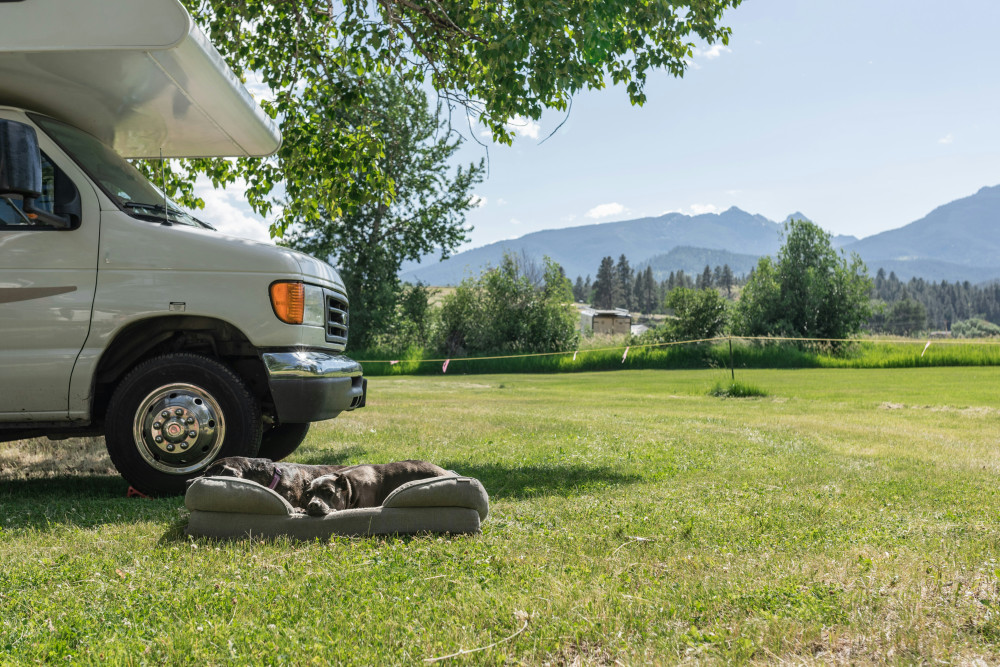
- Food for evenings – if you’re camping or staying overnight, plan for simple cooked meals you can make on a portable stove or grill.
The goal is to pack food that’s easy to store, won’t spoil quickly, and doesn’t require a full kitchen setup.
Plan Around Your Route
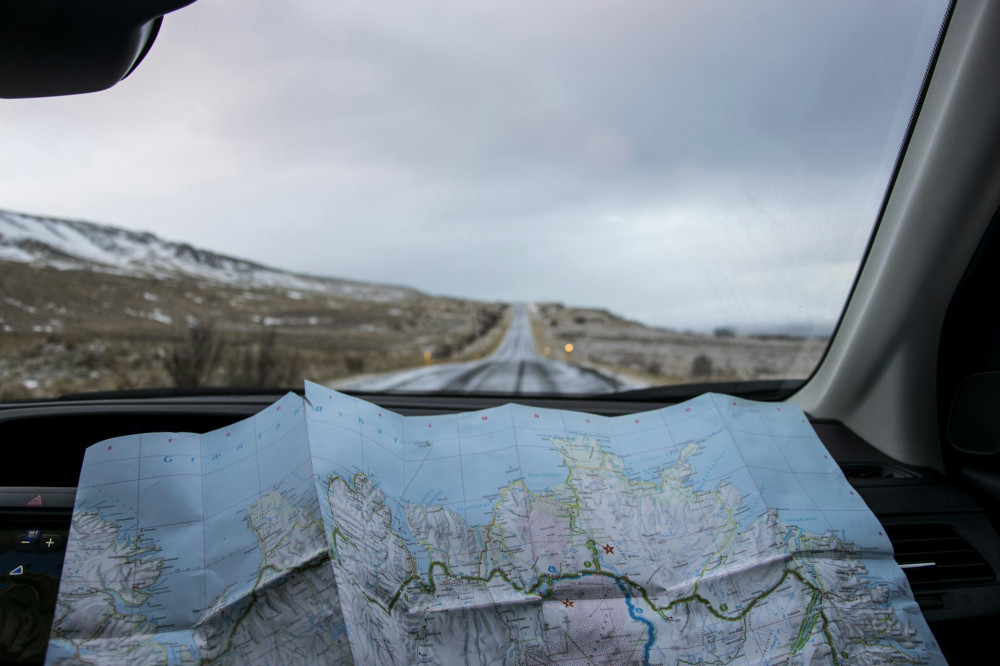
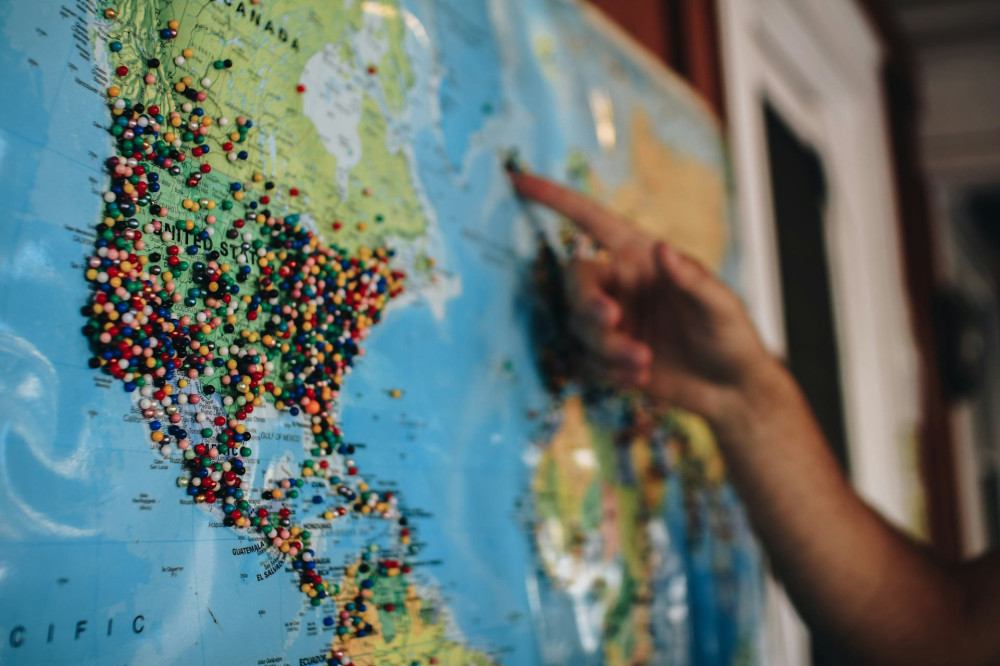
Before you load up the cooler, take a look at your route. Are you driving through remote areas with few restaurants, or will you pass through towns with plenty of options? If you’ll be on long stretches of highway or national park roads, it’s smart to bring extra food and water. On routes with frequent stops, you can plan for just a couple of days at a time and restock as you go.
Use apps or maps to find picnic areas, rest stops, and local farmers’ markets. These can turn a quick break into a mini adventure—and give you a chance to sample regional specialties.
The Cooler: Your Best Travel Companion
A good cooler is essential for keeping food fresh on the road. Whether you use a soft-sided cooler or a plug-in mini fridge, it’s worth the space. Use ice packs or frozen water bottles instead of loose ice—they last longer and double as cold drinks once they melt. Pack food in airtight containers or reusable bags to prevent spills and odors.
If your vehicle has a power outlet, a 12V electric cooler can be a game changer, especially for longer trips or summer travel.
Smart and Satisfying Snacks
When you’re behind the wheel for hours, it’s tempting to grab chips and soda at every gas station. But those quick fixes don’t keep you full for long. Instead, pack snacks that give you steady energy:
- Fresh produce: baby carrots, apple slices, grapes, or cherry tomatoes.
- Nuts and dried fruit: compact, nutritious, and easy to store.
- Homemade sandwiches or wraps: try turkey, egg salad, or hummus and veggies.
- Crunchy snacks: rice cakes, trail mix, or granola bars.
And don’t forget water—lots of it. A refillable bottle is both eco-friendly and convenient, especially if you can top it off at rest stops.
Læs også:
Dinner on the Road
If you’re stopping overnight, make dinner part of the adventure. Many campgrounds, parks, and roadside rest areas have grills or picnic tables where you can cook and relax. Simple meals like pasta with veggies, grilled chicken skewers, or tacos can be made with minimal ingredients and equipment.
To save time, prep some ingredients at home—chop vegetables, marinate meat, or pre-cook rice. That way, you can whip up a meal quickly even after a long day of driving.
Cut Down on Waste and Clutter
Space is limited in a car, so pack smart. Bring only what you’ll actually use, and avoid bulky packaging. Use small containers for condiments, spices, and oils, and pack a cutting board, knife, and dish towel—that’s often all you need to prepare a great meal.
Always clean up after yourself. Bring trash bags, recycle when possible, and use reusable containers to minimize single-use plastics.
Make Food Part of the Journey
A road trip isn’t just about getting from point A to point B—it’s about the moments in between. Let food be part of the experience. Have breakfast with a view of the mountains, enjoy a picnic by a lake, or stop at a roadside stand for fresh fruit.
When you plan your meals thoughtfully, food becomes more than just fuel—it becomes one of the best parts of the adventure.
Læs også: