Low-Emission Zone, Toll Road, or Vignette? How to Tell the Difference Before You Drive

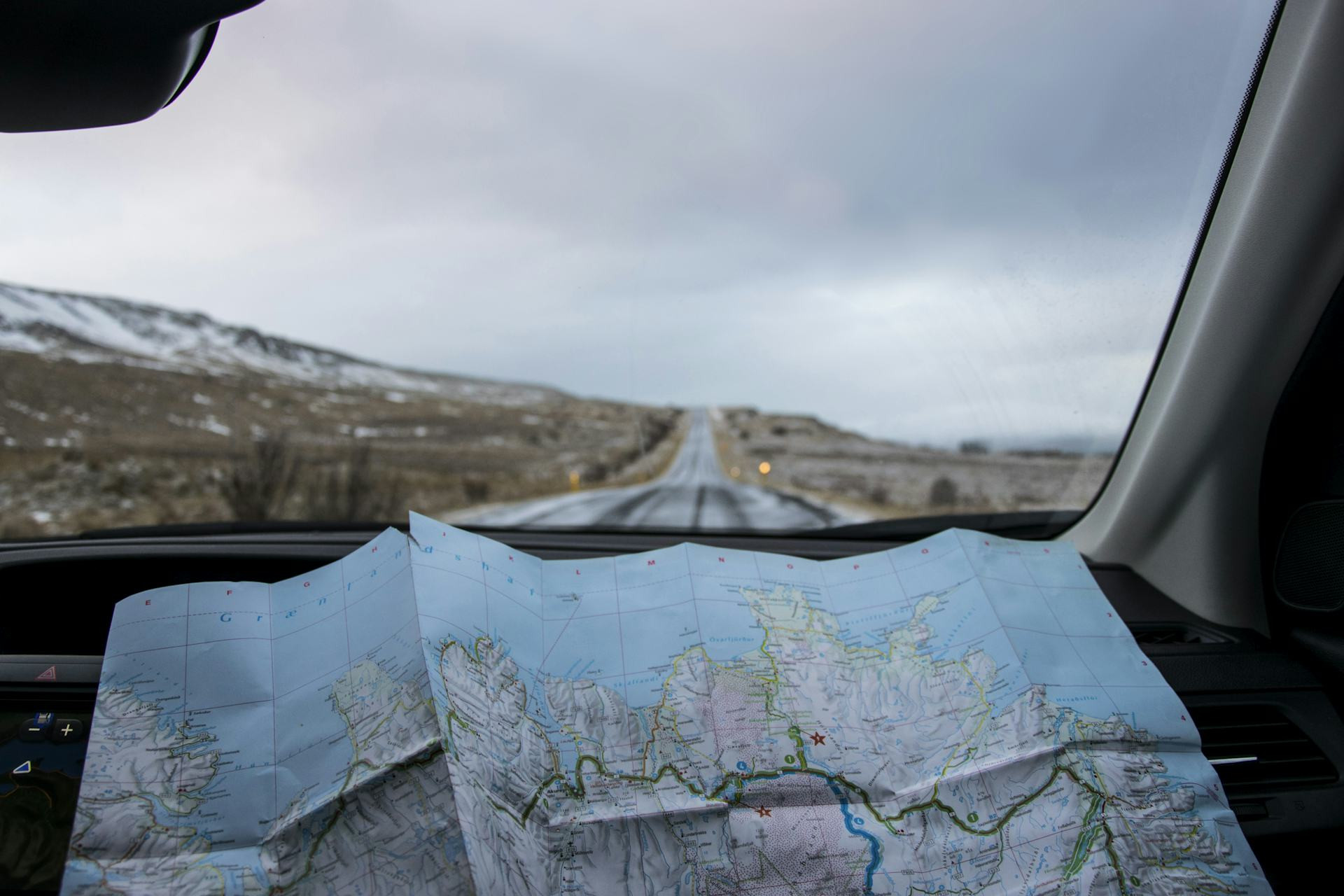
Low-Emission Zone, Toll Road, or Vignette? How to Tell the Difference Before You Drive
If you’re planning a road trip abroad—or even just driving through major European cities—you might come across signs mentioning low-emission zones, toll roads, or vignettes. They all involve rules or fees for driving, but they serve very different purposes. Understanding what each one means can save you from unexpected fines and make your trip much smoother. Here’s how to tell them apart before you hit the road.
What Is a Low-Emission Zone?
A low-emission zone (LEZ) is an area, usually in a city center, where only vehicles that meet certain environmental standards are allowed to enter. The goal is to reduce air pollution and protect public health.
These zones are common across Europe and the U.K. Cities like London, Paris, and Berlin all have their own versions, each with slightly different rules. Typically, older diesel vehicles are the most restricted, while newer, cleaner cars can enter freely.
- In London, drivers of high-emission vehicles must pay a daily charge to enter the Ultra Low Emission Zone (ULEZ).
- In Germany, you need a special Umweltplakette (environmental sticker) on your windshield to show your car meets emission standards.
- In France, a Crit’Air sticker serves the same purpose.
If you drive into one of these zones without meeting the requirements—or without the proper sticker—you can be fined, even if you’re just passing through as a tourist. Always check the local rules before you go, especially if you’re renting a car or driving an older vehicle.
What Is a Toll Road?
A toll road is a highway, bridge, or tunnel that requires payment to use. The fee helps fund construction and maintenance of the infrastructure. While tolls are common in the U.S.—think of the New Jersey Turnpike or Florida’s Turnpike—they’re even more widespread in Europe.
There are two main types of toll systems:
- Manual tolls – You stop at a booth and pay with cash or card.
- Electronic tolls – Cameras or sensors automatically record your license plate or a transponder device, and the fee is charged digitally.
In countries like France, Italy, and Spain, you usually pay per distance traveled. In Norway and Portugal, tolls are often fully electronic, so you’ll need to register your license plate or rent a transponder before driving.
If you’re renting a car, ask the rental company whether it’s equipped for electronic tolls. Otherwise, you might receive a bill—or a fine—weeks after your trip.
What Is a Vignette?
A vignette is a prepaid road permit that allows you to use highways in certain countries for a set period—often 10 days, one month, or one year. Instead of paying per mile or per trip, you pay once for unlimited use during that time.
Vignettes are common in Austria, Switzerland, Slovenia, Slovakia, the Czech Republic, and Hungary. You can buy them online, at gas stations near the border, or at the border itself.
There are two main types:
- Sticker vignettes, which you place on your windshield.
- Electronic vignettes, which are linked to your license plate.
Driving without a valid vignette can result in hefty fines—sometimes hundreds of euros. Always buy one before entering a country that requires it, and keep your receipt as proof.
Læs også:


How to Prepare Before You Drive
Before setting off on your international road trip, a little preparation can save you time, money, and stress:
- Check the rules for each country you’ll drive through. Official tourism or transportation websites usually have up-to-date information.
- Buy emission stickers or vignettes in advance to avoid delays at the border.
- Confirm your car’s emission standard, especially if it’s a diesel.
- Set up an electronic toll account if you’ll be driving in countries with automatic toll systems.
- Watch for road signs—they’ll clearly indicate when you’re entering a toll road or low-emission zone.
In Short: Know the Rules, Drive with Confidence
The difference between a low-emission zone, a toll road, and a vignette comes down to what you’re paying for—and why:
- A low-emission zone is about reducing pollution.
- A toll road is about funding infrastructure.
- A vignette is about access to highways.
By understanding the distinctions and preparing ahead, you can enjoy your drive—whether you’re cruising through the Alps, exploring historic cities, or crossing borders—without worrying about unexpected fines or confusion along the way.
Læs også: