Safe on the Road: How to Get Your Insurance and Documents in Order Before a Road Trip

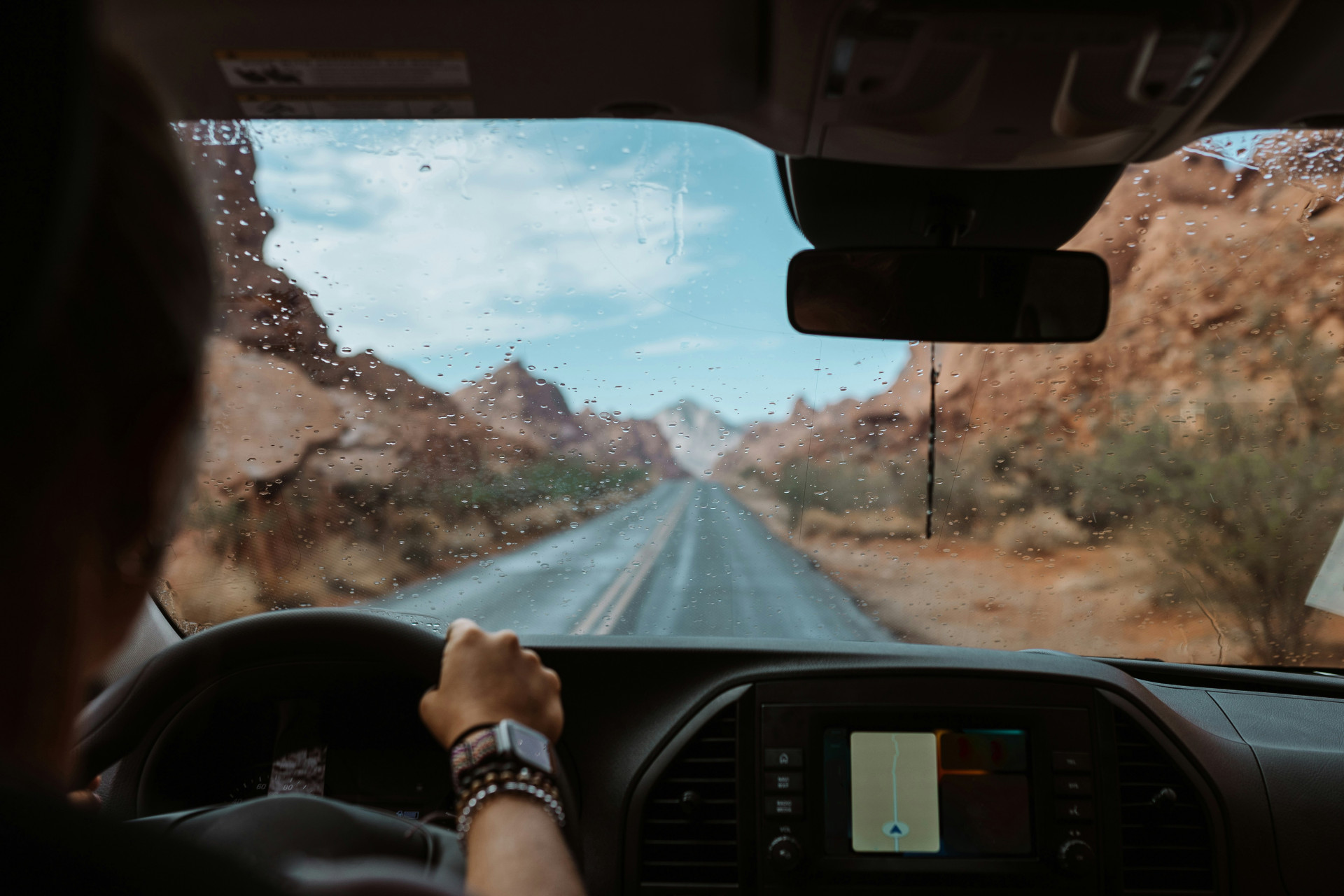
Safe on the Road: How to Get Your Insurance and Documents in Order Before a Road Trip
A road trip is one of the best ways to explore the country at your own pace — but that sense of freedom feels a lot better when you know you’re covered if something goes wrong. Insurance, registration papers, and emergency contacts might not be the most exciting part of planning, but they can make all the difference if you run into trouble. Here’s how to make sure everything is in order before you hit the highway.
Start with Your Insurance – Your Most Important Safety Net
Before you pack the car, take a close look at your auto insurance. Every driver in the U.S. is required to carry liability coverage, which pays for damage or injury you cause to others. But for a long trip, it’s worth checking whether you also have comprehensive and collision coverage. These protect your own vehicle if it’s damaged in an accident, stolen, or hit by something like hail or a deer.
If you’re crossing state lines, your policy usually follows you anywhere in the U.S. and Canada, but not necessarily into Mexico. If your trip takes you south of the border, you’ll need to purchase Mexican auto insurance, as U.S. policies aren’t recognized there.
Also consider roadside assistance coverage. Many insurers offer it as an add-on, or you can get it through organizations like AAA. It can save you time and stress if you get a flat tire, lock your keys in the car, or need a tow in the middle of nowhere.
Keep Your Documents Handy
You should always have certain documents in your car — and make sure they’re up to date before you leave:
- Driver’s license – valid and not close to expiring.
- Vehicle registration – proof that your car is legally registered.
- Proof of insurance – your insurance ID card or digital copy.
- Roadside assistance card or membership info – if you have one.
If you’re renting a car, keep the rental agreement and the company’s emergency contact number in the glove box. For international trips, check whether you need an International Driving Permit (IDP) in addition to your U.S. license.
It’s smart to store paper copies in a waterproof folder and digital backups on your phone or in the cloud, just in case.
Don’t Forget Travel Insurance
Even if you’re driving your own car, travel insurance can be a good idea — especially for longer trips or if you’re traveling with family. It can cover medical emergencies, trip cancellations, or lost luggage, which your auto policy won’t handle. Some health insurance plans have limited coverage outside your home state, so check before you go. If you’re heading abroad, make sure your health insurance or travel policy covers international medical care and evacuation.
Renting a Car? Know What’s Covered
If you’re renting a car for your trip, your personal auto insurance may extend to the rental — but not always. Check with your insurer before you decline the rental company’s coverage. The main types of rental protection include:
- Collision Damage Waiver (CDW) – covers damage to the rental car.
- Liability coverage – pays for damage or injury to others.
- Personal Accident Insurance (PAI) – covers medical costs for you and your passengers.
- Personal Effects Coverage (PEC) – protects belongings inside the car.
If you pay with a credit card, you may already have some rental coverage through the card’s benefits. Read the fine print so you know what’s included and what’s not.
Læs også:

Emergency Gear and Contacts
A well-prepared car is a safer car. Pack an emergency kit with essentials like:
- Jumper cables
- Flashlight and extra batteries
- First-aid kit
- Bottled water and snacks
- Blanket and basic tools
- Reflective triangles or flares
Keep a list of important phone numbers written down — not just stored in your phone — including your insurance company’s claims line, roadside assistance, and emergency contacts. If you’re traveling abroad, note the number for the nearest U.S. embassy or consulate.
Give Your Car a Checkup
Before you set off, make sure your vehicle is road-trip ready. Check the oil, coolant, brake fluid, tire pressure, and tread depth. Make sure your spare tire and jack are in good condition, and that your windshield wipers and lights are working properly. A quick visit to your mechanic for a pre-trip inspection can prevent breakdowns later.
And don’t forget about yourself — get plenty of rest before driving, plan realistic daily distances, and take breaks every couple of hours. Fatigue is one of the biggest risks on long drives.
A Confident Start to Your Adventure
Preparing for the unexpected doesn’t take away the fun — it gives you peace of mind to enjoy the journey. When your insurance is up to date, your documents are organized, and your car is ready, you can focus on what really matters: the open road, the scenery, and the memories you’ll make along the way.
So buckle up, double-check your paperwork, and start your trip knowing you’re safe, covered, and ready for adventure.
Læs også: